How Smart Packaging Design Improves Logistics Performance
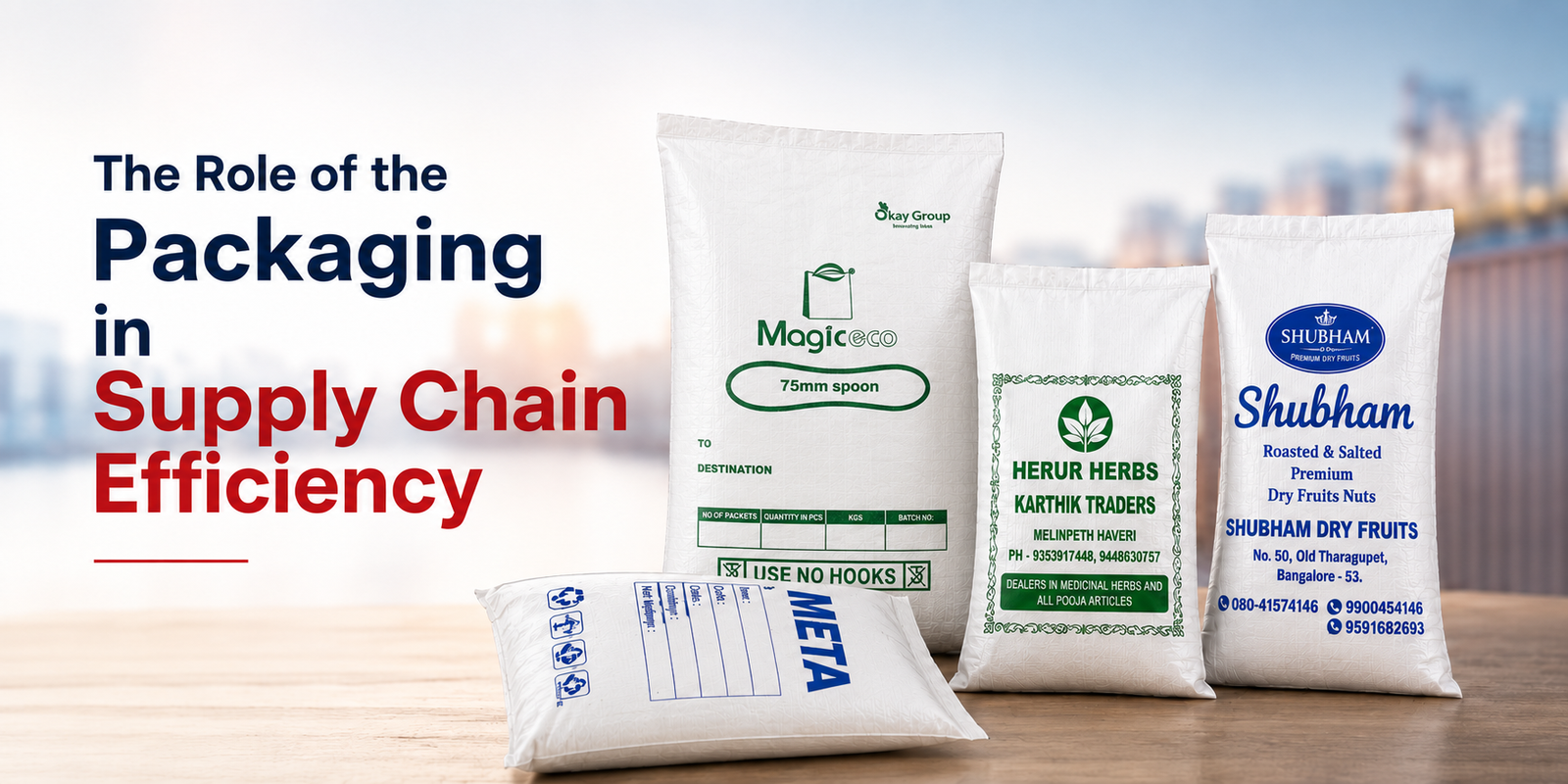
Packaging is often viewed as a containment tool — something that simply holds material. In reality, packaging plays a central role in supply chain efficiency.
From warehouse storage to export container loading, packaging design directly influences:
- Handling speed
- Storage optimization
- Transportation stability
- Operational cost control
- Damage prevention
Efficient packaging strengthens logistics performance at every stage.
1. Optimized Storage
Well-designed bulk packaging improves stackability and warehouse utilization.
Efficient storage depends on:
- Structural stability
- Uniform dimensions
- Load-bearing capacity
- Consistent pallet compatibility
When packaging is structurally sound:
- Vertical stacking becomes safer
- Storage space is maximized
- Inventory organization improves
- Aisle management becomes easier
Poorly designed packaging wastes vertical space and increases collapse risk.
Optimized storage directly translates into cost savings through better space utilization.
2. Transportation Stability
Long-distance transport exposes packaging to:
- Road vibration
- Sudden braking
- Stacking compression
- Container shifting
Stable packaging reduces:
- Material leakage
- Seam splitting
- Loop failure
- Structural distortion
When packaging maintains shape under stress:
- Load remains balanced
- Container stacking improves
- Transit damage reduces
Transportation stability is essential for export reliability.
3. Faster Handling
In high-volume operations, time efficiency is critical.
Well-designed packaging improves:
- Forklift compatibility
- Loop accessibility
- Lifting balance
- Loading speed
Packaging that supports safe lifting reduces:
- Handling delays
- Manual intervention
- Operational bottlenecks
Faster handling improves warehouse throughput and shipment turnaround time.
4. Reduced Losses
Packaging strength directly affects financial performance.
Weak packaging leads to:
- Transit claims
- Product loss
- Rework costs
- Customer dissatisfaction
Stronger, well-tested packaging minimizes:
- Rupture incidents
- Leakage
- Contamination
- Return shipments
Reduced losses enhance brand reliability and long-term business relationships.
How Packaging Impacts Overall Logistics Cost
Efficient packaging contributes to:
- Lower insurance claims
- Reduced storage damage
- Fewer rejected consignments
- Optimized container space
- Lower handling labor costs
Even small improvements in packaging design can significantly improve supply chain efficiency over time.
Operational Benefits of Efficient Packaging
Organizations that prioritize packaging efficiency experience:
- Improved safety standards
- Faster loading cycles
- Better warehouse organization
- Lower overall operational risk
- Stronger export performance
Packaging becomes an active logistics asset — not just a material container.
Conclusion
Efficient packaging directly impacts cost savings, operational safety, and brand reliability in bulk logistics.
It influences:
- Storage optimization
- Transportation stability
- Handling efficiency
- Damage reduction
In competitive supply chains, packaging performance is a strategic advantage.
Reliable packaging does more than protect material — it strengthens the entire logistics system.