A Practical Industrial Guide to Prevent Damage, Loss & Operational Risk
Packaging failure during transit is not just a minor inconvenience — it can lead to material loss, workplace hazards, customer dissatisfaction, rejected consignments, and financial setbacks.
In bulk industrial packaging, especially in applications involving woven bags, FIBC jumbo bags, or heavy material handling, even small structural weaknesses can escalate into major failures during transportation.
Understanding the root causes of packaging breakdown helps organizations reduce repeat incidents, improve safety, and strengthen supply chain reliability.
Below are the most common reasons packaging fails during transit — along with preventive measures.
1. Improper Load Distribution
Uneven weight distribution is one of the leading causes of packaging stress failure.
When bulk material is not evenly filled or stabilized:
- Excess pressure builds on one side
- Seams experience concentrated tension
- Lifting loops become unevenly loaded
- Structural imbalance occurs during stacking or lifting
Why This Happens
- Improper filling process
- Sudden discharge into one section of bag
- Dense materials settling unevenly
- Inconsistent product flow during packing
Risks Associated
- Fabric tearing at high-stress points
- Seam splitting during lifting
- Bag tilting during forklift handling
- Increased risk of toppling during stacking
Prevention Strategy
- Use controlled filling systems
- Ensure even weight distribution inside bag
- Stabilize load before sealing
- Avoid underfilling or overfilling
- Train operators on balanced filling techniques
Load stabilization is the foundation of safe bulk packaging.
2. Inadequate Strength for Load Type
Using packaging that does not match product characteristics significantly increases rupture risk.
Not all bulk materials behave the same. Packaging strength must be selected based on:
- Product weight
- Material density
- Abrasiveness
- Handling frequency
- Transportation distance
Common Mistake
Selecting light-duty packaging for:
- Heavy minerals
- Chemicals
- Construction aggregates
- High-density materials
This mismatch creates excessive internal pressure and structural fatigue.
Failure Outcomes
- Bottom discharge seam rupture
- Lifting loop breakage
- Side panel stretching
- Sudden structural collapse
Prevention Strategy
- Verify Safe Working Load (SWL)
- Match safety factor to usage type
- Assess handling cycles
- Consider environmental exposure conditions
Packaging strength should always align with operational demands — not just cost considerations.
3. Poor Stitching or Seam Integrity
In bulk packaging, seams are the most vulnerable structural element.
Even if fabric quality is strong, weak stitching can compromise the entire unit.
Why Seams Fail
- Low thread strength
- Inconsistent stitch density
- Improper reinforcement at stress points
- Poor quality control during production
Consequences
- Leakage of fine materials
- Progressive seam splitting
- Tear propagation during lifting
- Load failure at critical moment
Seam integrity is especially critical in:
- Top lift areas
- Bottom discharge zones
- Corner stress points
Prevention Strategy
- Inspect seam alignment before dispatch
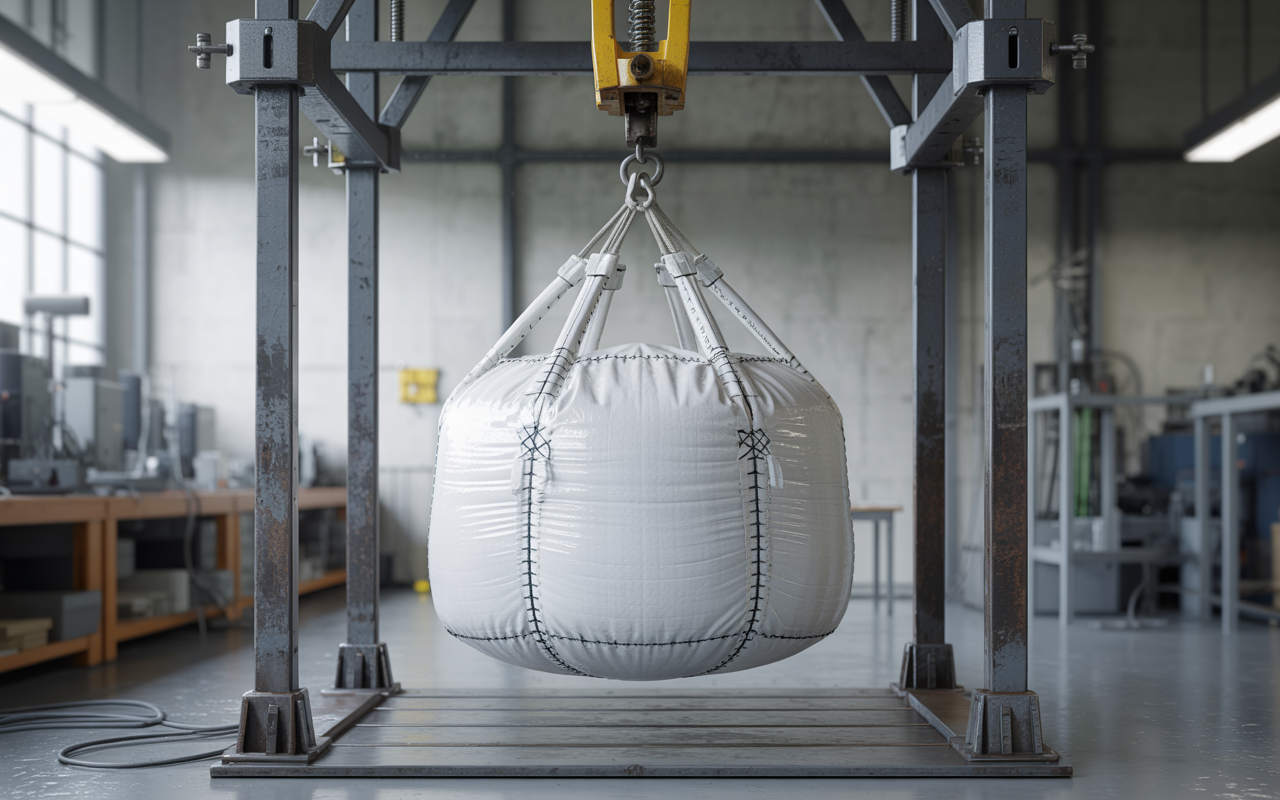
- Conduct seam strength testing
- Ensure reinforced stitching at lifting loops
- Avoid reusing damaged packaging
A single weak seam can compromise an entire shipment.
4. Moisture Exposure
Moisture is often underestimated as a packaging risk factor.
In high humidity regions, monsoon conditions, or coastal storage environments, prolonged exposure to moisture can weaken packaging over time.
Effects of Moisture on Packaging
- Gradual fabric degradation
- Reduced tensile strength
- Mold formation
- Material contamination
- Internal condensation damage
Moisture exposure may not cause immediate failure — but weakens packaging progressively.
High-Risk Conditions
- Ground-level storage
- Poor warehouse ventilation
- Rain exposure during loading
- Extended port storage
Prevention Strategy
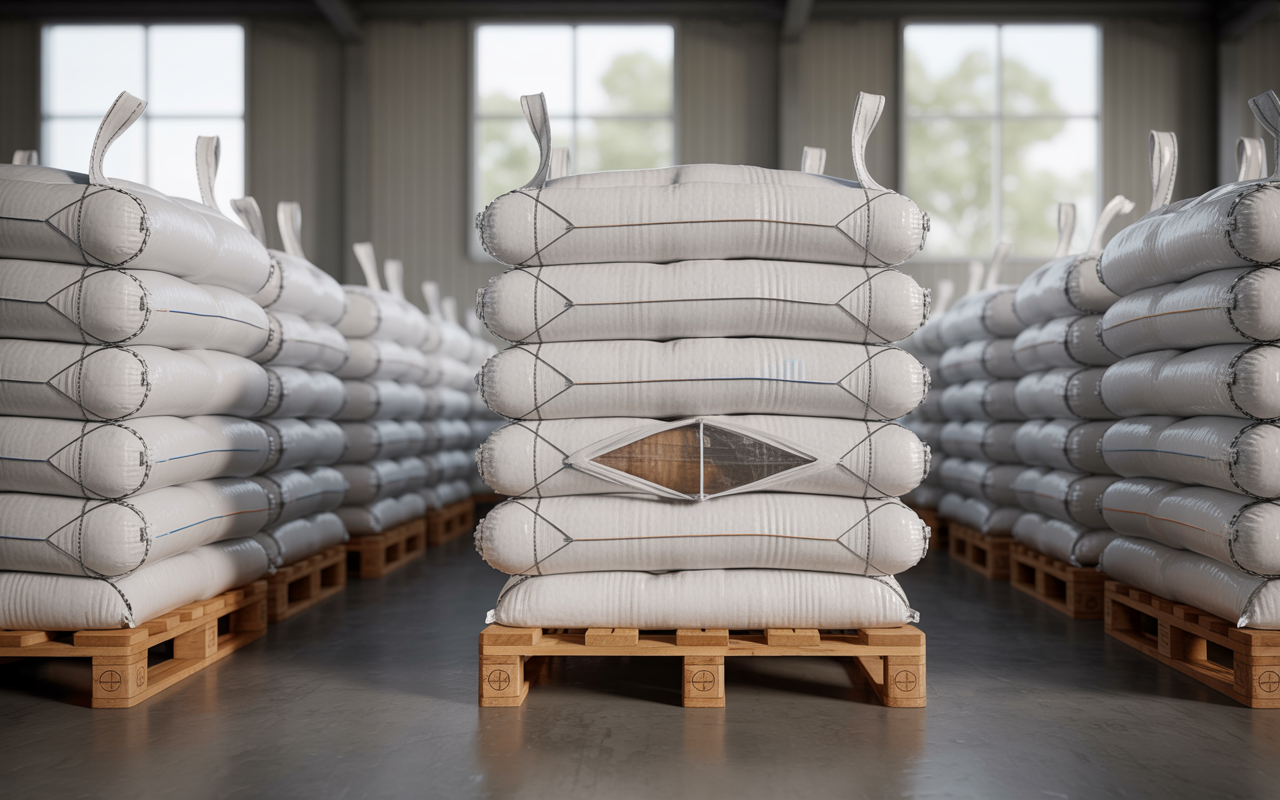
- Store packaging above ground level
- Use pallets to avoid floor moisture
- Implement moisture barriers when required
- Seal packaging properly before dispatch
- Inspect for dampness before loading
Moisture management must be part of standard storage protocols.
5. Improper Handling
Even perfectly manufactured packaging can fail due to incorrect handling.
Transit handling often includes:
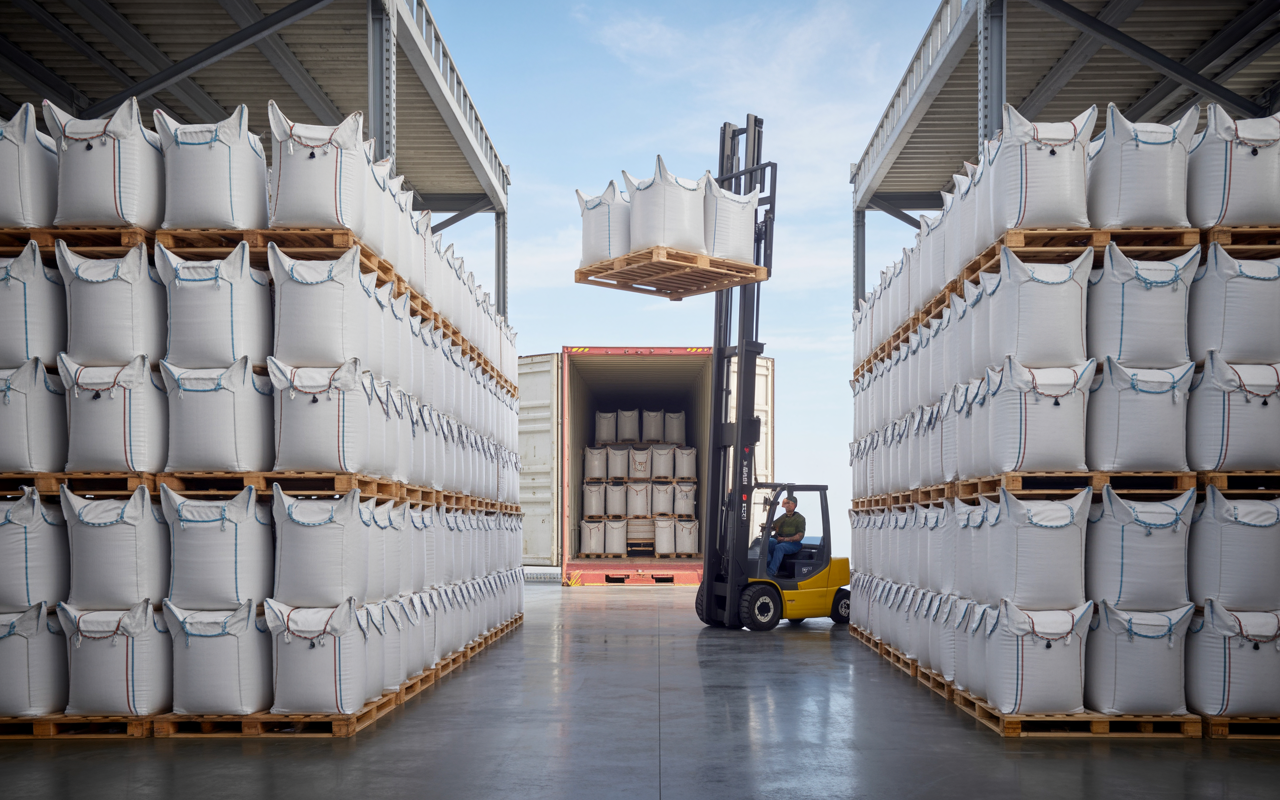
- Forklift lifting
- Crane operations
- Manual shifting
- Stacking in trucks or containers
Common Handling Errors
- Lifting with only one or two loops
- Dragging bags across floor
- Dropping from height
- Stacking beyond load limit
- Using sharp forks that damage fabric
Resulting Damage
- Loop tearing
- Base weakening
- Side wall punctures
- Structural imbalance
Prevention Strategy
- Train forklift operators
- Lift using all designated loops
- Avoid dragging packaging
- Follow stacking height guidelines
- Inspect before and after loading
Handling discipline is just as important as packaging quality.
Prevention Checklist Before Dispatch
To minimize transit failure risks, conduct a simple pre-dispatch inspection:
✔ Verify load capacity matches material weight
✔ Inspect seams for stitching consistency
✔ Ensure lifting loops are intact
✔ Confirm load is evenly filled
✔ Check moisture exposure risk
✔ Ensure proper palletization
✔ Confirm stacking stability
✔ Train handling staff on correct lifting techniques
A 5-minute inspection can prevent costly damage claims.
Conclusion
Packaging failure during transit is rarely caused by a single factor. It is often a combination of:
- Load imbalance
- Inadequate strength selection
- Seam weakness
- Moisture exposure
- Improper handling
By addressing these root causes systematically, organizations can significantly reduce material loss, improve workplace safety, and strengthen supply chain reliability.
Bulk packaging should not just contain material — it must withstand the realities of transportation.